Most investors looking at Oregon real estate from out of state default to Portland. It is the name they know, the metro with the biggest population, and the city that shows up on every cash flow podcast. The problem is that Portland has been picked over for years, the property management overhead is heavier, and the regulatory environment for landlords has tightened in ways that surprise newcomers. Investors who do the work usually figure out that the better risk-adjusted plays in Oregon are an hour or two south. Eugene specifically has been quietly building the profile of a city investors should be looking at, and the buyers showing up here from California, Washington, and even Portland itself are noticing things that the national headlines have not caught up to yet.
Here is an honest read on why Eugene deserves a closer look from out-of-state investors, and what to know before you write your first offer.
THE UNIVERSITY ANCHOR:
The University of Oregon is the foundation under a meaningful chunk of the Eugene rental market. Twenty thousand plus students need housing every year, and the demand is steady regardless of broader economic cycles. Properties within walking distance of campus, especially in the streets around 18th Avenue and the south university neighborhood, rent quickly and rarely sit vacant. The trade-off is that turnover is annual, wear and tear is higher than a long-term tenant rental, and you need a property manager who understands student leases or a willingness to handle it yourself. Properly underwritten, these properties produce reliable returns. Underwritten lazily, they punish absentee landlords.
THE WORKFORCE HOUSING PLAY:
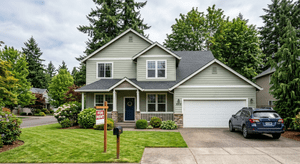
Eugene's rental demand is not just students. The city has a stable employment base anchored by the university, the hospital system, PeaceHealth in the broader area, and a growing remote-work population that moved here during the last few years and stayed. That creates demand for single family rentals and small multifamily in the three bedroom range, in neighborhoods like Bethel, River Road, and parts of Santa Clara. These properties are not glamorous. They are three bed, two bath, mid-century or newer, on quiet streets with decent schools. The cash flow profile tends to be better than the university plays once you factor in tenant longevity and reduced turnover costs. Investors who buy thoughtfully in these areas often see good five to seven year holds with steady appreciation.
THE PRICE COMPARISON ADVANTAGE:
Investors coming from California or Seattle find Eugene pricing genuinely refreshing. You can still buy a solid three bedroom home in good condition for a number that would not get you a one bedroom condo in a comparable West Coast metro. Cap rates are not Midwest-level, but they are real. The Willamette Valley also gives you some natural protection that other Oregon markets do not. Eugene is not as exposed to the wildfire and water issues that some inland markets face, and the housing supply has not been overbuilt the way certain Sun Belt markets were during the past few years. For investors building a portfolio across multiple states, Eugene fits well as a stable holding market rather than a high-velocity flip market.
WHAT TO WATCH OUT FOR:
Oregon has statewide rent control, and that needs to be in your underwriting from day one. Annual rent increases are capped at a percentage tied to inflation, and the rules are different for properties under fifteen years old versus older stock. Eviction protections are also stronger than in many other states, which is fine if you screen tenants well and unforgiving if you do not. Older homes in central Eugene also come with the realities of pre-1978 lead paint disclosures, sewer line issues from clay piping in some neighborhoods, and the occasional foundation surprise in homes near the river. None of this is disqualifying. It just means out-of-state investors need a buyer's agent who has seen these properties, a local contractor to walk the inspection with you remotely, and a property manager who understands the regulatory landscape. Investors who treat Eugene like a smaller version of any other market underperform. Investors who respect the local rules tend to do well.
Final Thoughts:
The investors making the strongest moves in Eugene right now are the ones who came in with realistic expectations, a long enough timeline to weather a slow year, and a willingness to know the specific neighborhoods rather than buying off a spreadsheet. Before you start writing offers from out of state, the better move is to see what is actually available, what the asking prices look like across different parts of town, and which properties are sitting versus moving. You can set up a custom search at search.eugenethings.com that filters by neighborhood, price point, and property type, so you are looking at real Eugene inventory instead of guessing from listings sites that show you everything in the state. It is a faster way to figure out whether the numbers actually work for what you are trying to build.